Guide
Crafting Cold Email Subject Lines That Get Replies (Not Just Opens) in 2026
Cold email subject lines that get replies in 2026: relevance over clickbait, personalization beyond first name, and how to avoid spam filters. Practical guide from CogniLead.
· Updated · 7 min read
On this page
The best cold email subject line in 2026 is the one that sounds like it came from a person, not a campaign. Generic lines like “Quick question” or “Following up” are ignored because inboxes are flooded with AI-generated spam. OutreachBloom’s 2026 guide compiles 15 best practices and 25 subject line examples, and the pattern is clear: relevance and curiosity beat clickbait every time.
Why does your subject line matter more than ever in 2026?
Your subject line is the gatekeeper. If it looks like spam, the email never gets read. In 2026, AI-generated outreach has made inboxes more crowded, so filters and humans alike reject anything that feels mass-produced. A strong subject line earns the click; a weak one lands you in junk.
I learned this the hard way. Early on, I sent campaigns with clever, punchy subject lines that got opens but zero replies. The opens came from curiosity; the silence came because the subject line promised something the email didn’t deliver, or looked like every other automated pitch. Now I treat the subject line as a filter for the right reply, not a hook for the highest open rate.
That distinction matters because mailbox providers are filtering harder. If your subject lines look like bulk marketing, your domain reputation takes a hit, and even good emails start landing in spam. For a deeper look at how sender reputation fits in, see our Email Sender Reputation: The 2026 Playbook for Landing in the Inbox.
What do modern spam filters look for in subject lines?
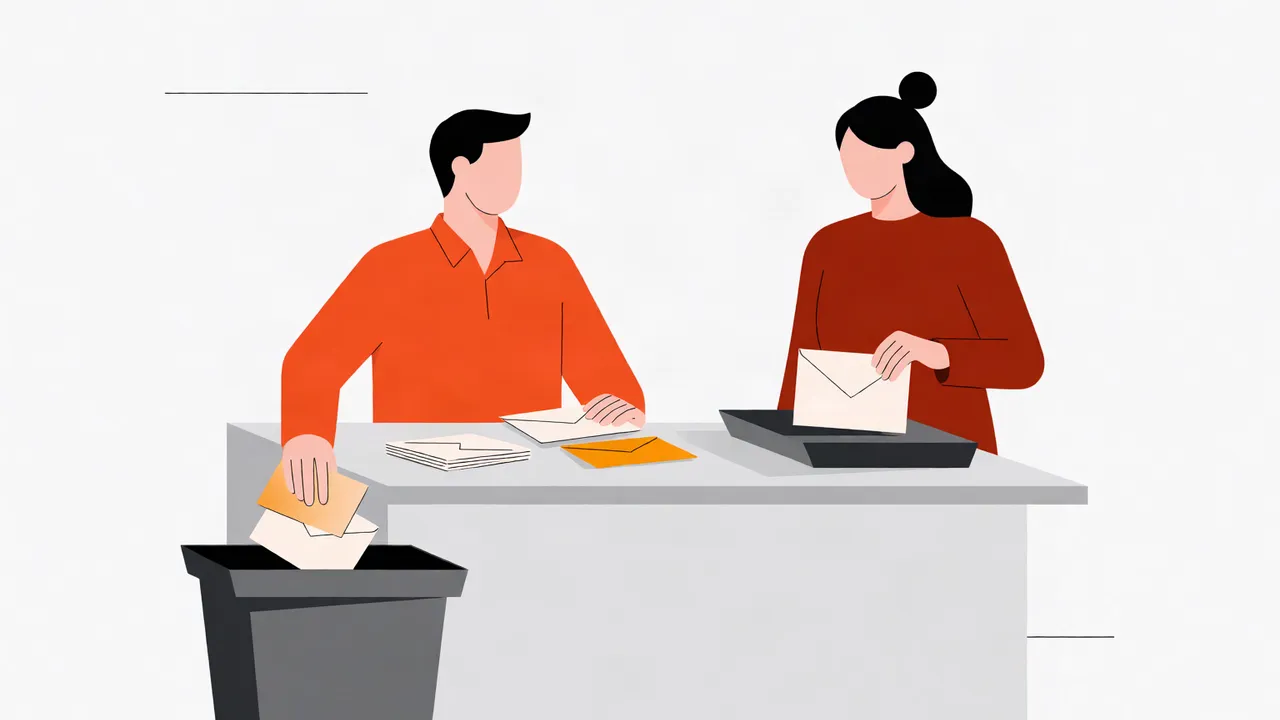
Filters scan for patterns associated with bulk mail: all caps, excessive punctuation, spammy words, and mismatched sender reputation. They also weigh your domain’s history. A clean subject line won’t save a bad domain, but a spammy subject line can tank a good one.
Spam filters don’t read for tone; they read for signals. All-caps subject lines, multiple exclamation points, and words like “free” or “guarantee” raise the spam score. So does sending the same subject line to hundreds of prospects at once. If your authentication (SPF, DKIM, DMARC) isn’t set up, those signals count even more against you.
Here is how I weigh common subject line risks:
| Subject line element | Filter risk | Human reaction | Better approach |
|---|---|---|---|
| All caps | High | Looks like a scam | Sentence case |
| Multiple exclamation points | High | Feels hypey | No punctuation or one period |
| “Free,” “guarantee,” “act now” | High | Deletes immediately | Specific, plain language |
| “Re:” or “Fwd:” when it’s not a reply | Medium | Feels tricked | Honest, new thread |
| Personalization token only | Low | Feels generic | Specific context or trigger |
If you want a full pre-send routine, our Cold Email Deliverability Checklist: 7 Steps to Land in the Inbox (Not Spam) walks through authentication, list hygiene, and warmup before you ever write a subject line.
How do you personalize a subject line beyond "first name"?
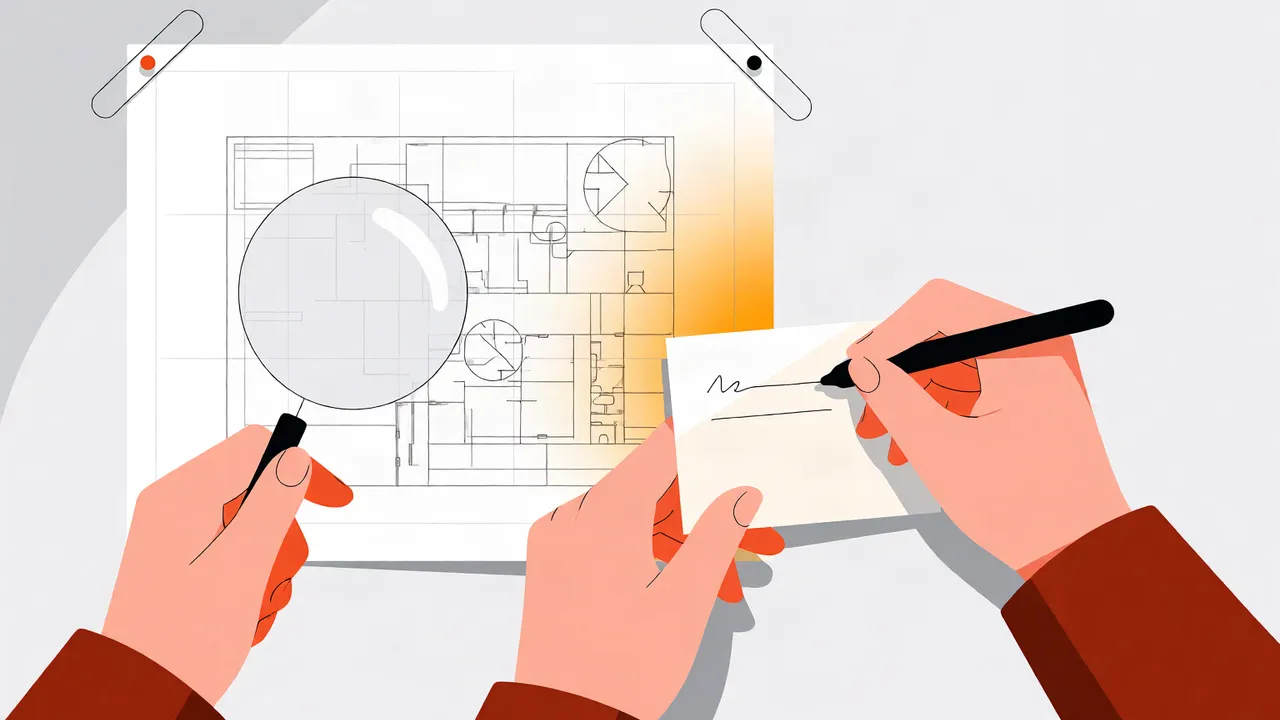
“Hi {{first_name}}” is now table stakes, and often ignored. Real personalization references something specific: a recent post, a shared connection, a company milestone, or a problem they’ve publicly discussed. It signals you researched them, not that you merged a field.
The first time I tried this, I got the tone wrong. I wrote subject lines that were too intimate—“Saw your vacation photos”—which creeped people out. The line that worked was boring by comparison: “Question about your engineering team’s stack.” It referenced something public and relevant to the pitch.
Good personalization in a subject line answers one question: why you, why now? If the answer isn’t obvious from the inbox, the subject line has failed.
For teams using AI to scale this, the trick is using it to draft variations, not to send unedited. Our AI in Cold Email: Tools, Tactics, and How to Land in the Inbox (Not Spam) covers where AI helps and where it hurts deliverability.
What is the optimal length for a cold email subject line?
Short wins. Aim for 30 to 50 characters, or about five to eight words. Mobile inboxes cut off longer lines, and short lines scan faster. If you need more context, put it in the preview text, not the subject.
I used to write subject lines like “A quick idea to help [company] reduce customer churn by 20 percent.” Too long. On a phone, the recipient sees “A quick idea to help [company] reduce…” and moves on. The shorter version—“Question about churn at [company]”—gets the same point across in half the space.
There is no magic character count, but if your subject line wraps on a phone screen, it is too long. Mixmax’s email subject line best practices covers length and clarity in more detail.
Which subject line frameworks actually increase reply rates?
Four frameworks work consistently: the specific question, the trigger event, the value statement, and the curiosity gap. None rely on urgency or deception. Each matches the subject line to a reason the prospect would actually care.
| Framework | When to use | Example | Why it works |
|---|---|---|---|
| Specific question | You have a genuine question about their business | “Question about [company]’s hiring plan” | Easy to answer; shows intent |
| Trigger event | They just raised funding, launched, or hired | “Congrats on the Series A” | Timely and human |
| Value statement | You can name a specific outcome | “Idea for reducing support tickets” | Clear benefit, no pitch |
| Curiosity gap | You have a relevant insight but won’t give it away | “Saw your post on [topic]” | Rewards opening with relevance |
The mistake I see most often is using the curiosity gap without substance. “You’ll never believe this” gets opens, but it destroys trust when the email is a pitch. The subject line should set an expectation the email body meets.
What words should you avoid in cold email subject lines?
Avoid words that scream sales pitch: free, guarantee, discount, act now, and excessive exclamation points. Also avoid all-caps and lines that mimic transactional email (“Your invoice,” “Password reset”). These trigger filters and human delete reflexes.
Some words are fine in the body but poison in the subject line because the subject line is weighed more heavily by filters. If you are unsure whether a word is risky, send it to yourself and a few colleagues first. If it looks like something you would delete without reading, it is.
For compliance context beyond the subject line, our Email Compliance in 2026: What Cold Outreach Teams Need to Know Beyond CAN-SPAM covers what you are legally required to include in cold outreach.
How do you A/B test subject lines for reply rates?
Test one variable at a time, send to at least 100 prospects per variant, and measure replies—not opens. Open rates are easily inflated by preview panes and privacy protection; replies are the only metric that proves the subject line worked.
I run tests for two weeks, then roll out the winner to the rest of the list. If neither variant gets replies, the problem is usually the offer or the list, not the subject line. A great subject line cannot rescue a bad email.
Our Cold Email Metrics That Matter: Beyond Open Rates in 2026 explains why reply rate is the metric that actually predicts pipeline.
What are real-world cold email subject line examples that earned responses?
The best examples are specific, brief, and tied to the recipient’s context. They reference a trigger or a problem rather than pitching a product. Below are templates I have used or seen work, adapted so they cannot be traced to a real campaign.
- “Question about [company]’s hiring plan”
- “[Mutual connection] suggested I reach out”
- “Saw your post on [topic]”
- “Idea for [specific team]”
- “Quick question about [recent product launch]”
None of these use “quick question” alone. They pair a short phrase with a specific detail. That specificity is what separates a subject line that gets a reply from one that gets deleted.
OutreachBloom’s 25 subject line examples and 15 best practices offer more templates if you need a starting point.
If you are building a cold email program and want the deliverability side handled—warmed sender pools, suppression on every send, circuit breakers—take a look at what we do at CogniLead.
FAQ
How many words should a cold email subject line have?
Five to eight words, or roughly 30 to 50 characters, is a good target. Shorter is usually better for mobile visibility.
Should I use the prospect's first name in the subject line?
Only if it adds real context. “Hi {{first_name}}” alone is generic and often ignored. Pair it with a specific reason you are writing.
Do emojis help or hurt cold email subject lines?
They usually hurt in cold outreach. Emojis can trigger spam filters and look unprofessional to a cold prospect. Skip them until you have an existing relationship.
How often should I A/B test subject lines?
Test whenever you launch a new campaign or notice reply rates dropping. One variable at a time, with enough volume to tell the variants apart.
Can a great subject line fix poor deliverability?
No. If your authentication, list quality, or sender reputation is broken, the best subject line in the world will not get you into the inbox. Fix deliverability first.
Want CogniLead running deliverability on every send? Try it free or read the docs.